2026 Precious Metals IRA & Portfolio Protection Calculator
Analyze how paper market inflation impacts your 401(k) or IRA purchasing power and evaluate IRS-compliant physical gold & silver strategies.
Complete all three steps to see your eligibility summary.
Educational tool only. Not tax, legal, or investment advice. Confirm eligibility with your plan administrator.
The 2026 Macro Environment: Silver Deficits, Central Bank Gold, and Paper vs. Physical Custody
The structural physical silver deficit
Industrial silver demand — solar photovoltaics, electrification, and electronics — has outpaced mine supply for several consecutive years. Unlike gold, a large share of consumed silver is never recovered, so above-ground inventories draw down rather than accumulate. That persistent deficit is what separates silver's setup from an ordinary price cycle.
Central banks are accumulating gold reserves
Central banks have been net buyers of gold at historically elevated levels, shifting reserves out of sovereign debt and into an asset with no counterparty. When the institutions that issue currency diversify away from it, that is a signal worth understanding before deciding how your own retirement account is allocated.
Paper exposure versus physical custody
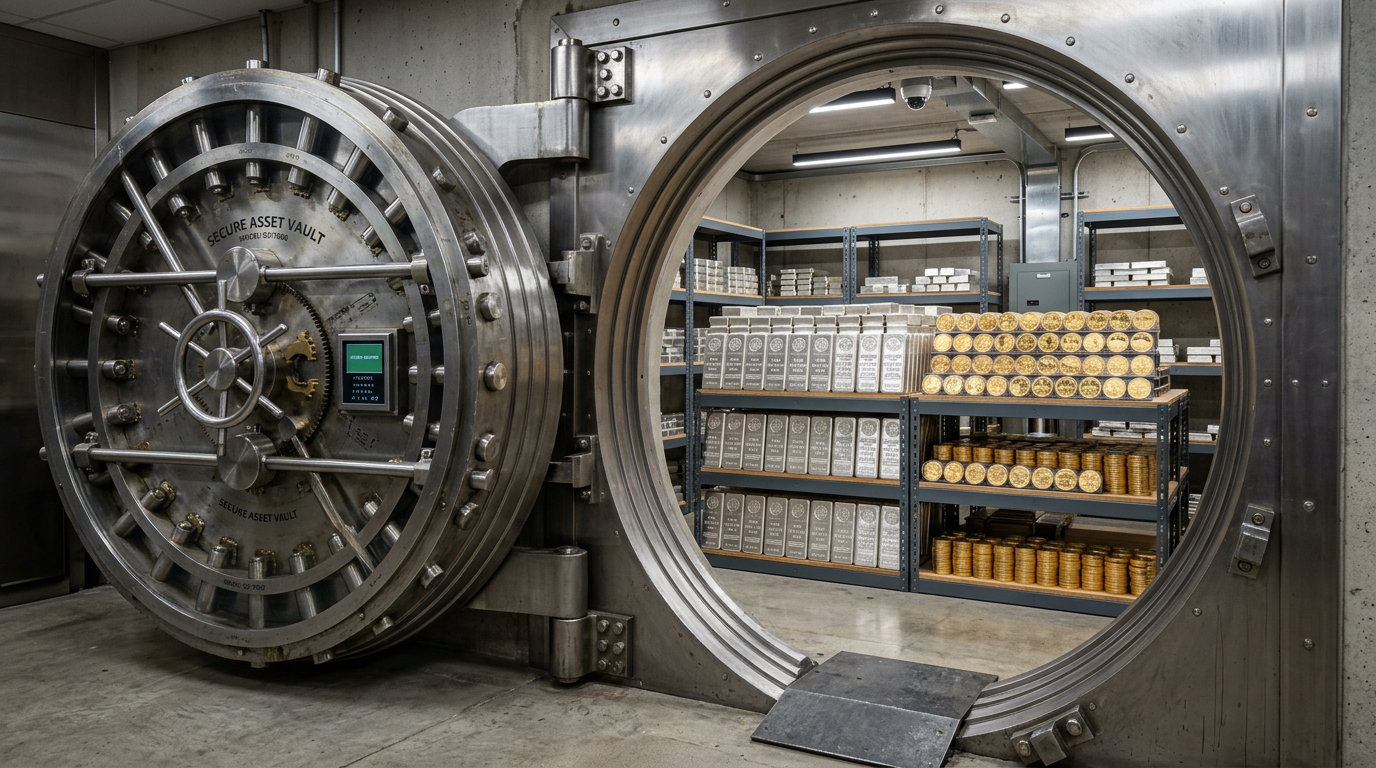
An ETF or pooled certificate gives you price exposure, not ownership. It is a claim on an institution that can be settled in cash. Physical bullion held in an IRS-approved depository, titled to your IRA, removes that counterparty layer. Both have a place — the important thing is knowing which one you actually hold.
Is Birch Gold Group a reliable precious metals IRA provider in 2026?
Yes. Birch Gold Group maintains an A+ rating with the Better Business Bureau (BBB) and a AAA rating with the Business Consumer Alliance (BCA). Featuring a low $10,000 entry minimum, flat annual storage/custodial fee structures ($180/year), and partnerships with IRS-approved depositories like Delaware Depository and Brink's, Birch Gold specializes in tax-free 401(k) and IRA rollovers into physical gold and silver.
4 Criteria Smart Investors Use to Evaluate Any Precious Metals IRA Provider
Apply these to every company you shortlist, not just this one. If a provider fails two or more, keep looking.
Low entry threshold
A $10,000 minimum keeps the door open to mid-size balances. Providers demanding $50,000 before they will open an account exclude most ordinary savers and often justify it with high-touch sales overhead you end up paying for.
Flat annual fee schedule
Look for a flat dollar amount — around $180/year all-in. Percentage-scaled fees quietly grow with your balance, so a strong decade of performance silently multiplies your annual cost with no added service.
Segregated, IRS-approved storage
Metals must sit in an IRS-approved, insured depository such as Brink's or the Delaware Depository. Segregated storage means your specific bars and coins are held apart and titled to you, not pooled with other clients' holdings.
Verified zero-pressure sales policy
A dedicated one-on-one specialist who educates rather than closes is the single strongest predictor of a good outcome. Any firm steering you toward high-markup collectible coins on a first call has failed this test.
How Birch Gold Group Measures Against the 4 Criteria

$10,000 minimum — half the industry's common $25k–$50k gate.
$180/year flat custodial + storage, not a percentage of assets.
Brink's Global Services and Delaware Depository, fully insured.
One dedicated specialist per client; education-first consultations.
Key trust metrics

Birch Gold's education-first positioning is why independent sound-money advocates, including former Congressman Ron Paul, have pointed savers toward learning the mechanics of physical ownership before committing capital. The takeaway is not "buy now" — it is "understand custody, purity, and fees first."
8 Trustpilot & Google Reviews on Rollover Speed and Fee Clarity
“My 401(k) rollover closed in under three weeks and every fee was written down before I signed anything.”
“Three years in. The flat $180 a year never changed, even after my account grew.”
“Fee clarity was the deciding factor. Two other firms would not put their spread in writing.”